
Exploring the Safety of Feeding Human Food to Dogs: What You Need to Know
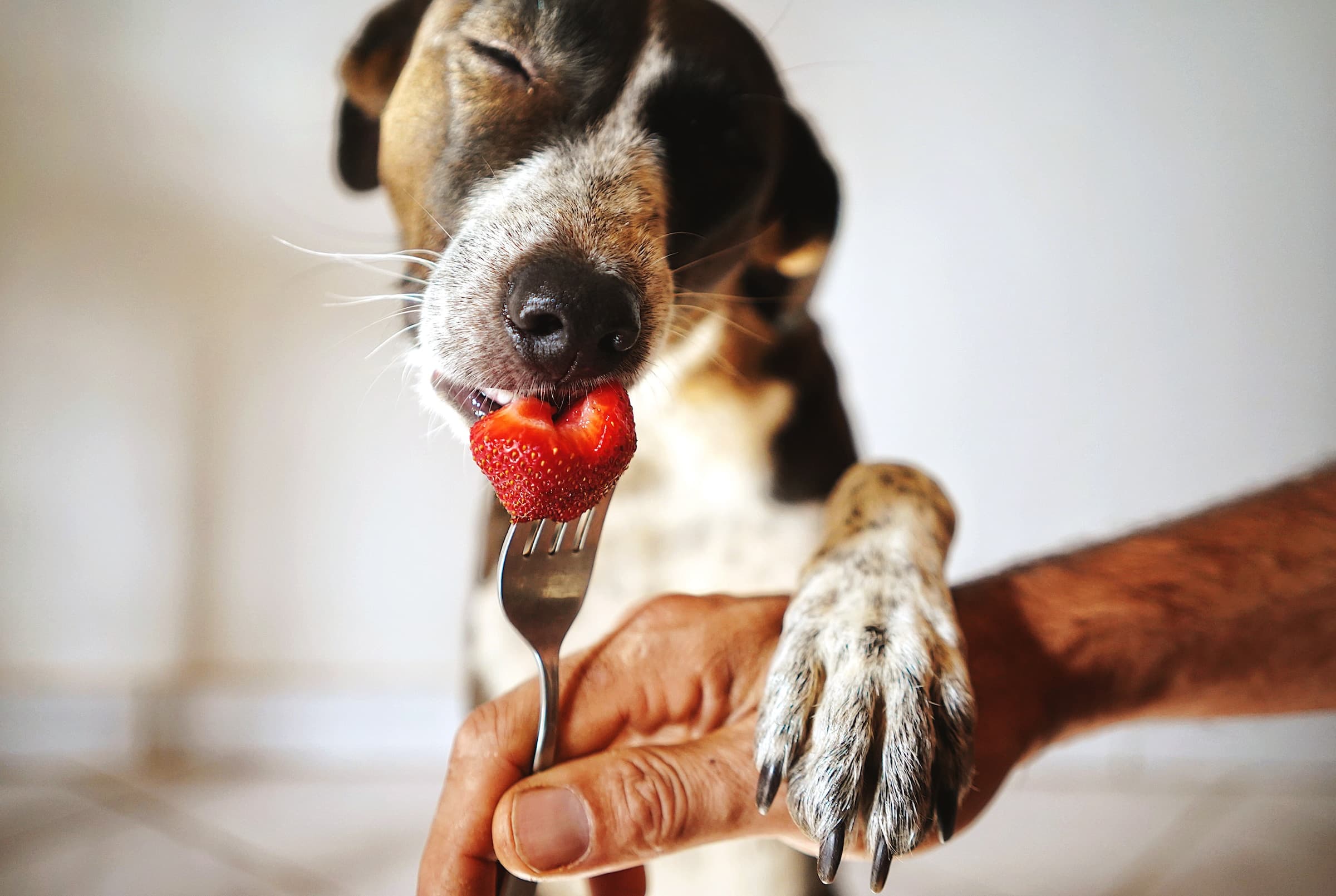
In the age-old debate of whether dogs can safely consume human food, pet owners often find themselves torn between the desire to share their meals with their furry companions and concerns about potential health risks. While some dog food are safe and even beneficial for dogs, others can pose significant dangers to their health and well-being. In this comprehensive guide, we’ll delve into the intricacies of feeding human food to dogs, highlighting the dos and don’ts to ensure your canine companion’s safety and happiness.
Understanding the Canine Digestive System
Before delving into the safety of feeding human food to dogs, it’s essential to understand the intricacies of the canine digestive system. While dogs share many similarities with humans in terms of their digestive anatomy and physiology, there are also notable differences that influence their dietary requirements and tolerance to certain foods.
Key Differences in the Canine Digestive System
- Shorter Digestive Tract: Dogs have a relatively shorter digestive tract compared to humans, which means that food passes through their system more quickly. This difference affects the digestion and absorption of nutrients and can impact how certain foods are metabolized by their bodies.
- Carnivorous Nature: Despite being omnivores, dogs have a primarily carnivorous digestive system optimized for digesting meat and animal-based proteins. While they can tolerate and derive nutrients from plant-based foods, their digestive system is better suited for processing animal-derived nutrients.
- Limited Enzyme Production: Dogs have lower levels of certain digestive enzymes, such as amylase, which are responsible for breaking down carbohydrates. This difference influences their ability to digest and metabolize certain types of food, particularly those high in carbohydrates.
Safe Human Foods for Dogs
While dogs primarily thrive on a diet of commercial dog food, there are several human foods that are safe and even beneficial for them when given in moderation. These include:
- Lean Proteins: Lean proteins such as cooked chicken, turkey, beef, and fish are excellent sources of essential amino acids and can be incorporated into your dog’s diet as occasional treats or meal toppers.
- Fruits: Many fruits are safe for dogs to consume and provide essential vitamins, minerals, and antioxidants. Popular options include apples (without seeds), blueberries, strawberries, watermelon (seedless), and bananas.
- Vegetables: Certain vegetables are safe for dogs and can provide added fiber, vitamins, and minerals to their diet. Options such as carrots, green beans, sweet potatoes, and pumpkin (plain, canned, or cooked) are well-tolerated by most dogs.
- Grains: While dogs have a limited need for grains in their diet, some grains are safe for them to consume in moderation. Cooked rice, oats, and quinoa can provide energy and fiber for dogs with sensitive stomachs.
Foods to Avoid Feeding Dogs
While many human foods are safe for dogs, others can be harmful or even toxic to their health. It’s essential to be aware of these foods and avoid feeding them to your canine companion. Some foods to avoid include:
- Chocolate: Chocolate contains theobromine and caffeine, which can be toxic to dogs and lead to symptoms such as vomiting, diarrhea, rapid breathing, and even seizures or death in severe cases.
- Grapes and Raisins: Grapes and raisins can cause kidney failure in dogs, leading to symptoms such as vomiting, diarrhea, abdominal pain, and decreased urine production. Even small amounts can be toxic.
- Onions and Garlic: Onions and garlic contain compounds that can damage red blood cells in dogs, leading to a condition called hemolytic anemia. Symptoms may include weakness, lethargy, pale gums, and jaundice.
- Avocado: Avocado contains a substance called persin, which can be toxic to dogs and lead to gastrointestinal upset, breathing difficulties, and heart damage.
Guidelines for Feeding Human Food to Dogs
- Moderation is Key: While many human foods are safe for dogs, they should be given in moderation as occasional treats rather than staple components of their diet. Too much of any new food can lead to digestive upset or nutritional imbalances.
- Introduce New Foods Gradually: When introducing new human foods to your dog’s diet, do so gradually to monitor their tolerance and any potential adverse reactions. Start with small amounts and observe for any signs of digestive upset or allergic reactions.
- Avoid Seasonings and Additives: When preparing human food for your dog, avoid adding seasonings, spices, sauces, or other additives that may be harmful or irritating to their digestive system. Stick to plain, cooked foods without any added ingredients.
- Consult Your Veterinarian: If you’re unsure whether a particular human food is safe for your dog, consult your veterinarian for guidance. They can provide personalized recommendations based on your dog’s age, breed, health status, and dietary needs.
Conclusion
In conclusion, while dogs can safely consume certain human foods in moderation, it’s essential to be mindful of their dietary requirements and potential risks. Lean proteins, fruits, vegetables, and grains can be incorporated into your dog’s diet as occasional treats or meal toppers, but it’s crucial to avoid feeding them foods that are toxic or harmful, such as chocolate, grapes, onions, and avocado. By following these guidelines and consulting your veterinarian when in doubt, you can ensure that your canine companion enjoys a safe and balanced diet that supports their health and well-being for years to come.


