
Hyundai to Build its First South Korean EV Factory
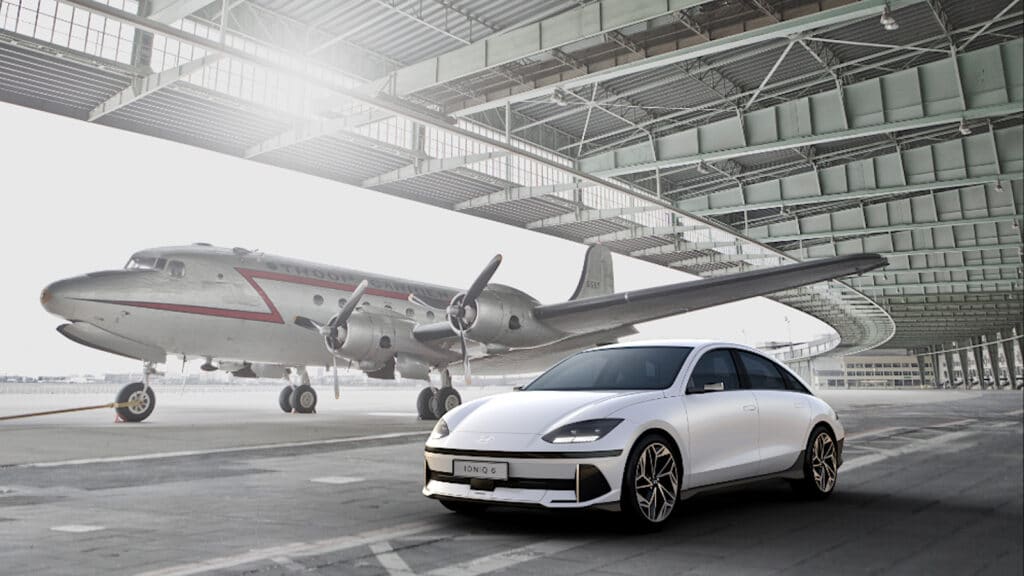
Even as Hyundai has lifted the veil on its forthcoming Ioniq 6 battery electrical car, Hyundai Motor is setting up to construct a facility in South Korea for producing electric powered cars and trucks in accordance to on the net stories.
It is South Korea’s initially new car or truck plant in virtually three decades. The company’s union announced on Tuesday generation is envisioned to start out by 2025.
Hyundai Motor Group, which is created up of Hyundai and Kia, explained it would shell out $48.1 billion, or ₩63 trillion, in South Korea by the yr 2025.
Similar to their U.S. programs
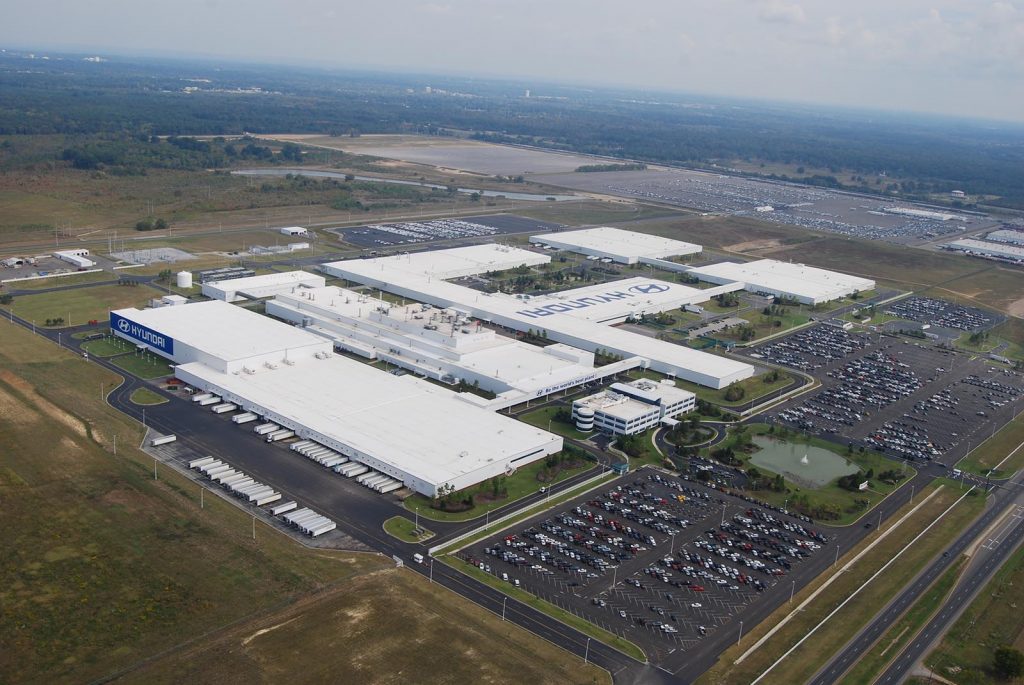
The move arrives right after Hyundai announced options to invest $5.54 billion to established up an EV producing complicated close to Savannah, Georgia. The manufacturing unit will be able to manufacture 300,000 electrical autos per year, collectively with their batteries.
Situated much more than 250 miles southeast of Atlanta along I-16, the challenge will span close to 3,000 acres. The automaker designs to seek the services of 8,100 men and women who will construct automobiles for all three of the South Korean carmaker’s manufacturers: Hyundai, Kia and Genesis.
The initiative accounts for a sizable chunk of the $7.4 billion Hyundai officers stated they will commit in the U.S. marketplace electrification. Hyundai is expecting to start the undertaking in early 2023.
An increasing EV line-up
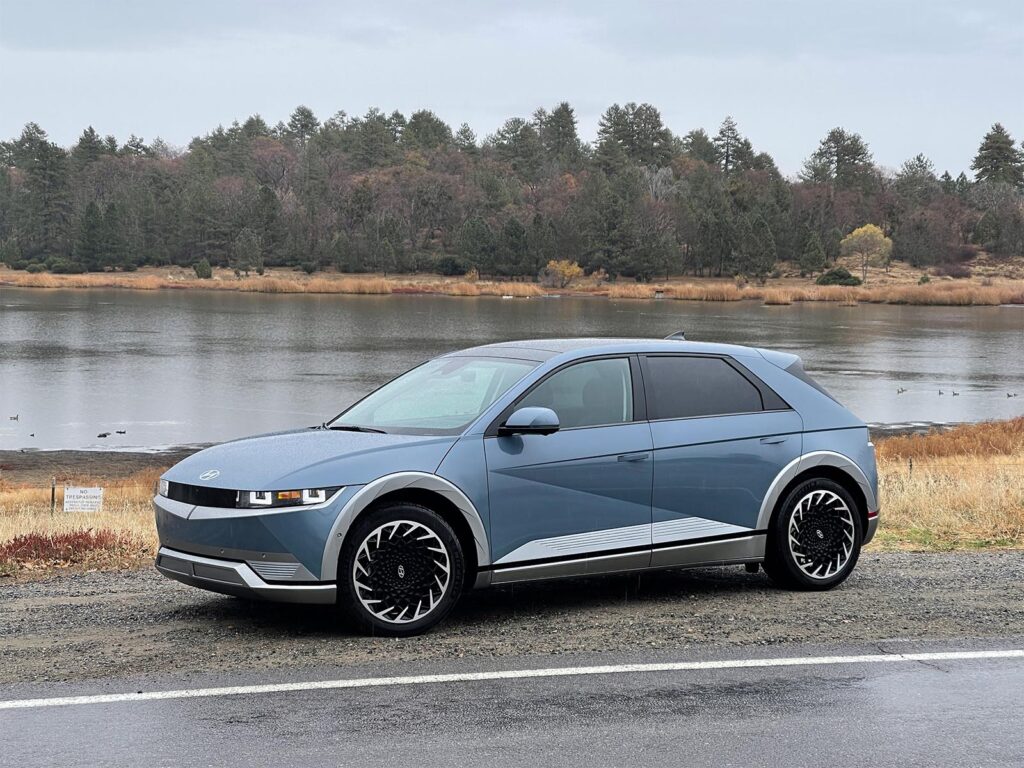
Now, Hyundai Motor Team sells 3 electric autos in the United States. The battery-electrical model of the Hyundai Kona subcompact SUV, which is also available with a conventional driveline. Hyundai also offers the Ioniq 5, the marque’s initial design based mostly on its E-GMP architecture and the all-electrical Genesis GV60 SUV.
Hyundai’s company cousin, Kia, makes use of the identical E-GMP architecture for its new all-electric EV6 hatchback. In addition, Kia sells a battery-electric edition of the Niro, which is also offered as a hybrid and plug-in hybrid
That will expand with the arrival of the Ioniq 6 and Ioniq 7, alongside with Kia’s EV7 and EV9.
The platform these autos will be using — dubbed E-GMP — is a skateboard-like battery-car system that will be utilised for the vast majority of the 23 distinctive battery-electric autos Hyundai is scheduling to supply by 2025.
What is now presented
The Hyundai Ioniq 5 arrives in a few trim ranges, starting off with the foundation vehicle’s single, rear-mounted motor delivering 218 horsepower and 258 pound-toes of torque to the rear wheels. A dual-motor, all-wheel-drive trim increases that to 320 hp and 446 lb-ft of torque.
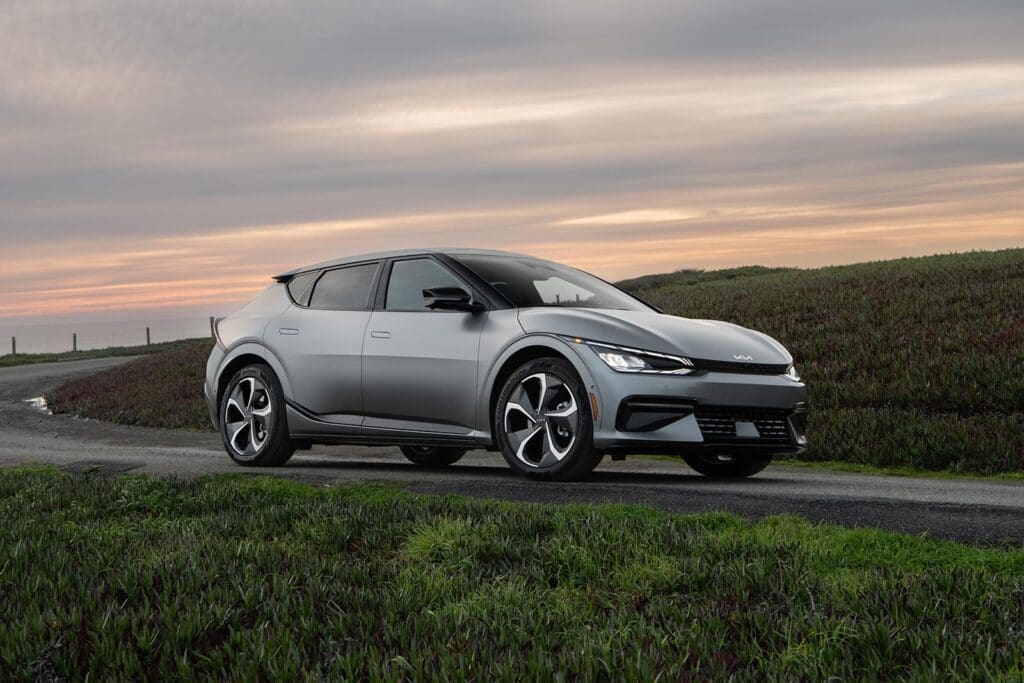
It shares its architecture with the Kia EV6, which gets a few trim concentrations as effectively. The foundation EV6 will come with a 58-kilowatt-hour lithium-ion battery pack that creates 167 hp and 258 lb-ft of torque from a single electrical motor that powers the rear wheels. It operates 232 miles on a charge.
A much larger 77.4 kilowatt-hour pack is accessible that generates 225 hp and 258 lb-ft of torque, and is good for 310 miles in between rates. A dual-motor, all-wheel travel variant with the very same battery pack creates 320 hp and 446 lb-ft of torque, but array drops to 274 miles.
Genesis, Hyundai’s luxury brand name, also sells a car or truck employing the E-GMP system, the GV60. The battery-electric SUV is powered by twin electrical motors that crank out 314 hp and 446 lb-ft of torque and offers an EPA-believed vary of 248 miles for each demand. Incorporating the Performance Deal boosts output to as considerably as 446 hp. Need more punch? Just jab the “Boost” button to extract 483 hp and 516 lb-ft for up to 10 seconds. It orders up 60 mph in about 4 seconds.
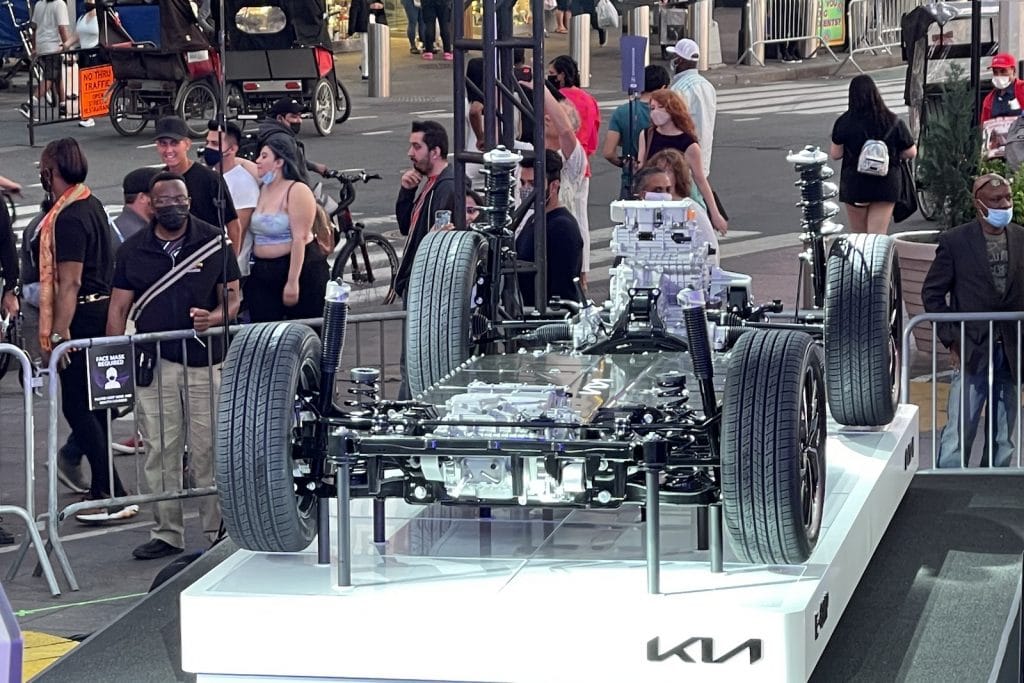
Hyundai also provides electrical variations of historically powered autos that do not ride on the E-GMP platform, as they are share their parts with traditionally-run driveline models.
The subcompact Kona battery-electric SUV is driven by a 64-kWh battery that generates 201 hp to the entrance wheels for 258 miles involving prices. In the same way, the all-electric version of the Kia Niro, which also has 201 hp currently being sent to the front wheels, though the EPA fees its range at only 239 miles.
Like all automakers, ramping up EV output is essential to fulfill governmental polices that look for to slowly remove generation of motor vehicles run by inside combustion engines.
“Sales of interior-combustion-engine cars are scheduled to be banned in specified markets, so the new EV manufacturing unit is critical to Hyundai Motor’s survival,” reported Chang Moon-su, an analyst at Hyundai Motor Securities, a subsidiary of the automaker.


